When you need to borrow money, one of the first choices you face is between a secured and an unsecured personal loan. The difference comes down to one word: collateral. Understanding that difference — and what it means for your interest rate, your approval odds, and your risk — helps you borrow smarter and cheaper.
This guide breaks down both loan types in plain language, compares them side by side, and helps you decide which one fits your situation.
What Is a Secured Personal Loan?
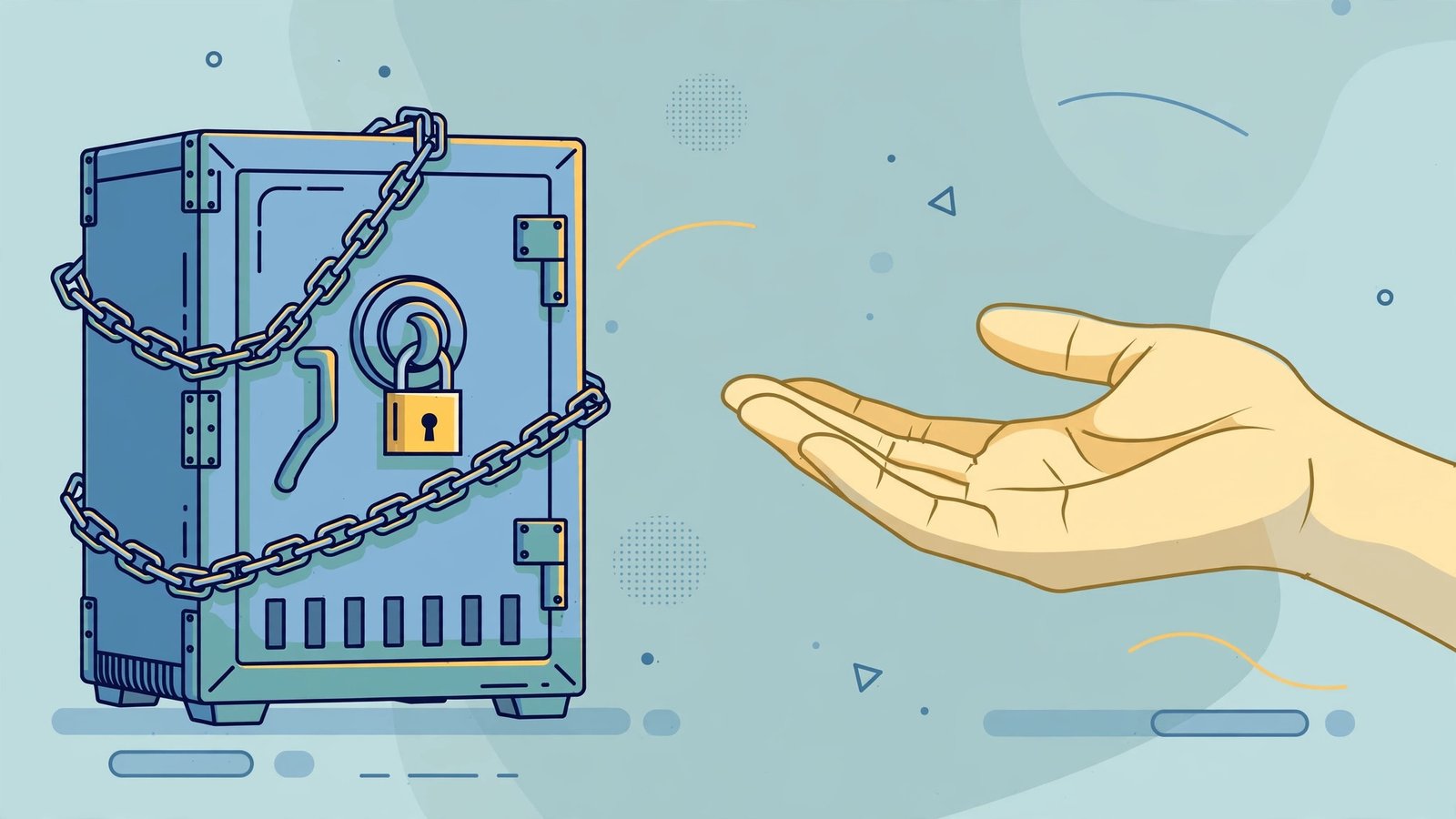
A secured personal loan is backed by collateral — something you own that the lender can take if you stop paying. Common collateral includes a car, a savings account, a certificate of deposit (CD), or sometimes jewelry or other valuables.
Because the lender has something to fall back on, secured loans are less risky for them. That usually means:
- Lower interest rates than unsecured loans
- Easier approval, even with fair or poor credit
- Higher borrowing limits in some cases
The trade-off is obvious: if you cannot repay, you can lose the asset you put up. Defaulting on a secured loan tied to your car means the lender can repossess it. A loan secured by your savings account means the lender can take that money.
Common Examples of Secured Loans
- Auto loans — the car itself is the collateral
- Secured personal loans from banks or credit unions — often backed by a savings account or CD
- Home equity loans — your home is the collateral (a much bigger commitment)
What Is an Unsecured Personal Loan?
An unsecured personal loan has no collateral. The lender gives you money based on your credit history, income, and overall financial picture. If you stop paying, the lender cannot automatically take your property — they would have to sue you or send the debt to collections.
Because the lender takes more risk, unsecured loans usually come with:
- Higher interest rates than secured loans
- Stricter approval requirements — good credit and steady income matter more
- Lower borrowing limits in some cases
The big advantage: nothing you own is directly on the line. Your car, your savings, and your home are not pledged to the loan.
Common Examples of Unsecured Loans
- Personal loans from banks, credit unions, or online lenders — most are unsecured
- Credit cards — the classic unsecured borrowing tool
- Student loans — generally unsecured
Secured vs Unsecured: Side-by-Side Comparison
| Feature | Secured Personal Loan | Unsecured Personal Loan |
|—|—|—|
| Collateral required | Yes | No |
| Typical interest rate | Lower | Higher |
| Approval with poor credit | Easier | Harder |
| Risk to your assets | Yes — you can lose collateral | No direct asset risk |
| Application process | Can be slower (asset valuation) | Usually faster |
| Common loan amounts | Varies widely | Usually $1,000–$50,000 |
When a Secured Loan Makes Sense
A secured loan is often the better choice when:
- Your credit score is fair or poor. Collateral can get you approved when an unsecured application would be denied, and at a better rate than you would otherwise get.
- You need a lower interest rate. If you are borrowing a large amount, even a small rate difference saves a lot of money over time.
- You have an asset you can safely pledge. A savings account or CD you do not need to touch is ideal collateral — the risk is low because the money just sits there.
- You are confident about repayment. If your income is steady and the monthly payment fits your budget comfortably, the risk of losing collateral is small.
A Smart Secured Option: Savings-Secured Loans
Many credit unions offer loans secured by your own savings account. You deposit money, borrow against most of it, and pay it back with interest. Because the lender's risk is nearly zero, rates are low and approval is easy. These loans are also a good way to build or rebuild credit, since your payments get reported to the credit bureaus.
When an Unsecured Loan Makes Sense
An unsecured loan is often the better choice when:
- Your credit is good or excellent. With a strong credit score, you can qualify for competitive unsecured rates without risking any asset.
- You do not want to risk your property. If losing your car or savings would be devastating, do not pledge them. Peace of mind has real value.
- You need money fast. Unsecured loans from online lenders can fund in a day or two, while secured loans may take longer because the lender must verify the collateral.
- The amount is relatively small. For a few thousand dollars, the paperwork and risk of a secured loan often are not worth it.
How to Decide: 5 Questions to Ask Yourself
- What is my credit score? Good credit opens up affordable unsecured options. Weaker credit may make secured loans the cheaper path.
- What am I comfortable risking? Never pledge an asset you cannot afford to lose — especially not your home or your primary vehicle.
- How fast do I need the money? Urgent needs favor unsecured loans from online lenders.
- How much am I borrowing? Larger amounts make the lower rate of a secured loan more valuable.
- Can I realistically repay? Be honest. If the payment would stretch your budget, borrowing against your assets is dangerous.
Watch Out for These Traps
Borrowing Against Your Home for Consumer Spending
Home equity loans have low rates, but your house is the collateral. Using your home to fund vacations, cars, or lifestyle spending turns unsecured-style wants into a risk against your roof. Most financial experts consider this a bad trade.
Secured Loans You Cannot Afford
A lower rate does not help if the payment itself is too high. Always check the monthly payment against your budget before signing, secured or not.
"No Credit Check" Loan Offers
Some lenders advertise guaranteed approval with no credit check. These are often extremely expensive — think triple-digit interest rates — and can trap you in a cycle of debt. A legitimate secured loan from a bank or credit union is very different from these offers.
Frequently Asked Questions
Is a secured loan always cheaper than an unsecured loan?
Usually, but not always. A secured loan generally has a lower rate for the same borrower, but a borrower with excellent credit may get an unsecured rate that beats what a borrower with poor credit gets on a secured loan. Compare actual offers, not just loan types.
Can I get an unsecured loan with bad credit?
It is possible but harder and more expensive. Some online lenders specialize in fair-credit borrowers. Alternatively, a savings-secured loan from a credit union can be a cheaper way to borrow while building your credit history.
What happens if I default on a secured loan?
The lender can seize the collateral — for example, repossess your car or take the savings account balance. They may also report the default to credit bureaus, which damages your credit score, and pursue any remaining balance you owe.
Does a secured loan help build credit?
Yes, if the lender reports to the credit bureaus — most banks and credit unions do. Making on-time payments on either loan type builds your history. Savings-secured loans are one of the most reliable credit-building tools available.
Can I convert a secured loan to unsecured later?
Sometimes. Some lenders let you release the collateral once you have made enough on-time payments or your credit has improved. Ask about this option before you sign — and get the terms in writing.
This content is for general educational purposes only and is not professional financial advice.