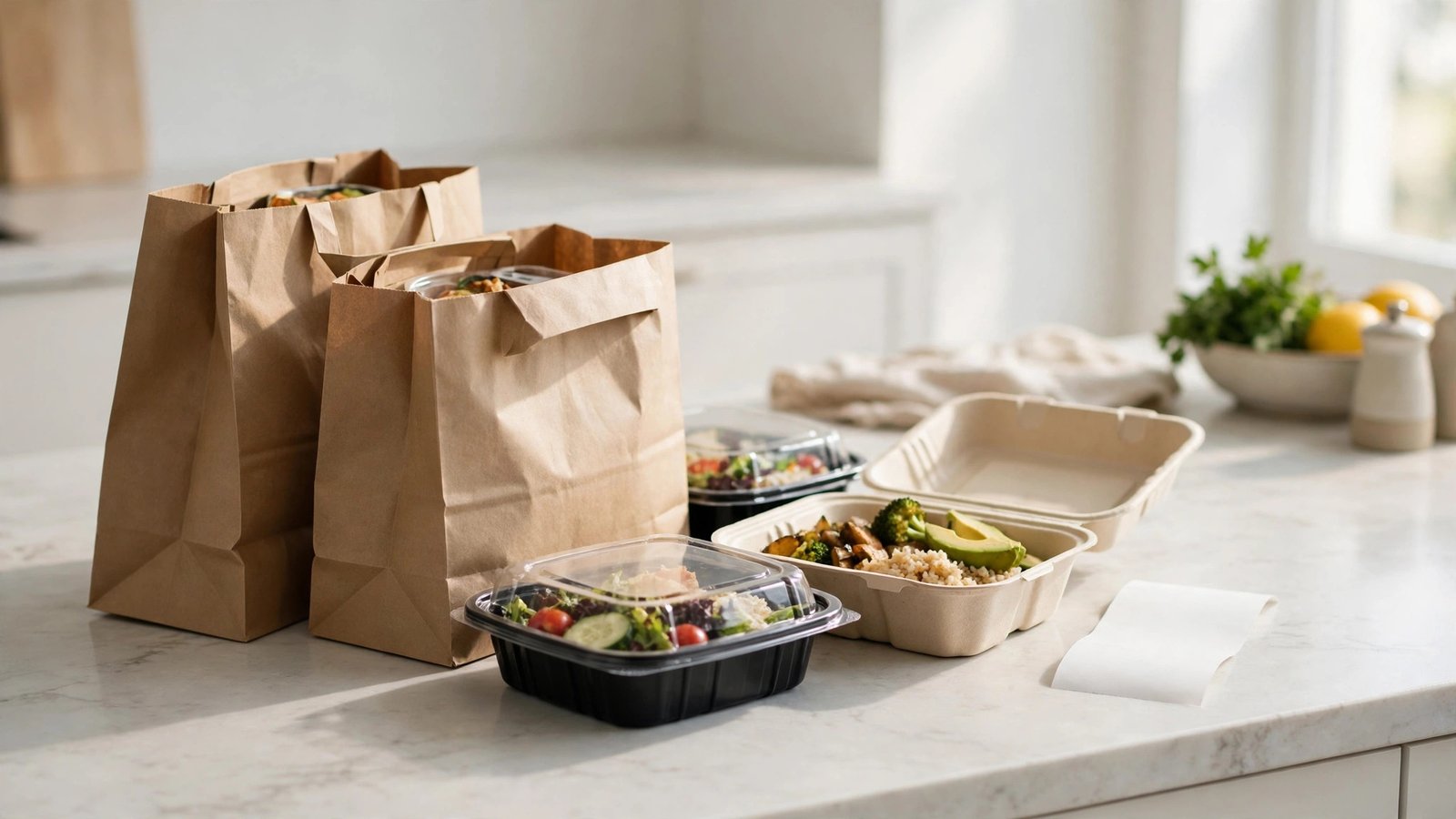
How Much Do People Spend on Food Delivery Per Month? (2026 Guide)
It’s 6 PM. You’re tired, the fridge is half empty, and cooking feels like a chore. So you open an app, tap a few buttons, and 40 minutes later dinner arrives. It was only $28, right?
Here’s the problem: that “$28 dinner” happens three times a week. And at the end of the month, food delivery has quietly eaten a few hundred dollars of your budget.
So how much do people actually spend on food delivery per month? Let’s look at the real numbers — and then talk about how to spend less without giving up takeout completely.
The Average: About $150 Per Month
According to a survey by Spoke, the average American spends $152.51 per month on food delivery — roughly $1,844 per year. The average order costs $33.89, and the average person orders about 54 times a year (a little more than once a week).
For context, the Bureau of Labor Statistics reports that the average US household spends about $329 per month on food away from home (restaurants, takeout, and delivery combined). Delivery is a big and growing slice of that.
Younger adults spend the most relative to their income. The same Spoke survey found that Gen Z spends around 4% of their income on food delivery — the highest share of any generation.
Key takeaway: if you order delivery a couple of times a week, you’re probably spending $150–$300 a month. Most people guess far less because they never add it up.
Where the Money Actually Goes: The Hidden Fees
The menu price is only part of the story. A “$18 meal” on a delivery app rarely costs $18. Here’s what a typical order really looks like:
| Cost item | Typical amount |
|---|---|
| Food (menu price, often marked up vs. in-store) | $18.00 |
| Delivery fee | $2.99–$5.99 |
| Service fee | $2.00–$4.00 |
| Small order fee (if under the minimum) | $2.00 |
| Tip (15–20%) | $4.00–$5.00 |
| Total for an “$18 meal” | $29–$35 |
The Spoke survey found that fees and tips add up to almost $13 per order on average — over $650 a year for a regular user. Menu prices on apps are also often higher than in the restaurant itself, so you’re paying a markup before fees even start.
This is the number one reason delivery spending surprises people. You remember the $18 burger. You forget the $12 in fees and tip stacked on top of it.
Is Your Delivery Spending Too Much?
There’s no single “right” number — it depends on your income and priorities. But here’s a rough framework to judge your own spending:
| Monthly delivery spending | What it means |
|---|---|
| Under $50 | Occasional treat — no problem |
| $50–$150 | Around average — worth tracking |
| $150–$300 | A major budget line — time to cut back |
| Over $300 | Likely hurting your savings goals |
A simple rule of thumb: food delivery shouldn’t cost more than about 5% of your take-home pay. If you bring home $3,000 a month, that’s $150. If you’re spending $250, delivery alone is eating over 8% of your income.
The fastest way to know your real number: open your delivery apps, go to order history, and add up the last 30 days. Include every fee and tip. Most people are shocked the first time they do this.
If you want to see how delivery fits into your bigger picture, try running the numbers through a free budget calculator — plug in your delivery total next to rent, groceries, and savings to see what it’s crowding out.
7 Ways to Cut Food Delivery Spending (Without Quitting Takeout)
You don’t have to delete the apps. Small changes add up fast:
1. Switch some deliveries to pickup
Pickup skips the delivery fee, the service fee, and often the menu markup. Many restaurants offer 10–20% off pickup orders. This one change can cut the cost of an order nearly in half.
2. Set a weekly delivery budget
Give yourself a fixed number — say, $40 a week or two orders. When it’s gone, it’s gone. A hard cap beats vague intentions every time.
3. Do the math on delivery subscriptions
Services like DashPass or Uber One ($10/month) waive delivery fees on qualifying orders. The subscription pays for itself if you order 3+ times a month — but it’s a waste if you order less. Check your actual order count before subscribing.
4. Cook twice a week (just twice)
You don’t need to meal-prep like an influencer. Cooking dinner just two extra nights a week instead of ordering saves roughly $200+ a month for most people. Start with easy meals: pasta, tacos, stir-fry, rotisserie chicken with frozen vegetables.
5. Keep “emergency” food at home
Most delivery orders happen because there’s nothing easy to eat at home. Keep frozen pizza, eggs, rice, pasta, and a few sauces on hand. A 15-minute home meal beats a 45-minute $32 delivery.
6. Delete saved payment methods
Friction works. If you have to type in your card number every time, you’ll order less on impulse. It sounds silly, but it genuinely works.
7. Compare delivery vs. cooking for one week
Track every food dollar for seven days — delivery, groceries, dining out. Most people find that cooking a comparable meal at home costs one-third to one-half of the delivered price:
| Meal | Delivered cost | Home-cooked cost |
|---|---|---|
| Burger and fries | $28–$34 | $8–$12 |
| Pasta dish | $25–$32 | $5–$8 |
| Pizza (large) | $30–$38 | $10–$15 |
Seeing the gap in your own numbers is more motivating than any article.
What That Money Could Do Instead
Let’s say you cut delivery spending from $250 to $100 a month — a $150 difference. Here’s what $150 a month becomes:
- In 1 year: $1,800 (plus interest in savings)
- In 5 years: about $9,900 at 4% interest
- In 10 years: about $22,000 at 4% interest
That’s not about deprivation — it’s about choosing. A $150/month delivery habit is a choice to spend $22,000 over a decade on convenience. Sometimes that’s worth it. Often, it isn’t.
FAQ
How much does the average American spend on food delivery per month?
About $150 per month, according to a Spoke survey — roughly $1,844 per year. The average order is $33.89, and fees and tips add nearly $13 per order on top of the food price.
Why is food delivery so expensive?
Three reasons: menu prices are often marked up on apps, delivery and service fees stack up ($5–$10 per order), and tips add another 15–20%. A meal that costs $18 in the restaurant easily becomes $30+ delivered.
How can I tell if I spend too much on food delivery?
Add up 30 days of orders (including all fees and tips). If delivery costs more than about 5% of your take-home pay, or more than you’re saving each month, it’s too much.
Is a delivery subscription like DashPass worth it?
It depends on how often you order. At about $10/month, it pays for itself if you order 3 or more times a month (by waiving delivery fees). If you order less, skip it.
What’s the cheapest way to order takeout?
Pickup. You skip delivery fees, service fees, and often get a discount. Ordering directly from the restaurant’s own website instead of a third-party app also avoids markups.
Bottom line
The average American spends about $150 a month on food delivery — and most people underestimate their own spending by a wide margin. Fees, tips, and menu markups turn an $18 meal into a $30+ order. You don’t have to quit takeout, but tracking your real total and switching some orders to pickup can easily save $100–$200 a month. That’s real money — the kind that builds an emergency fund or pays down debt.